Tattoo Plan
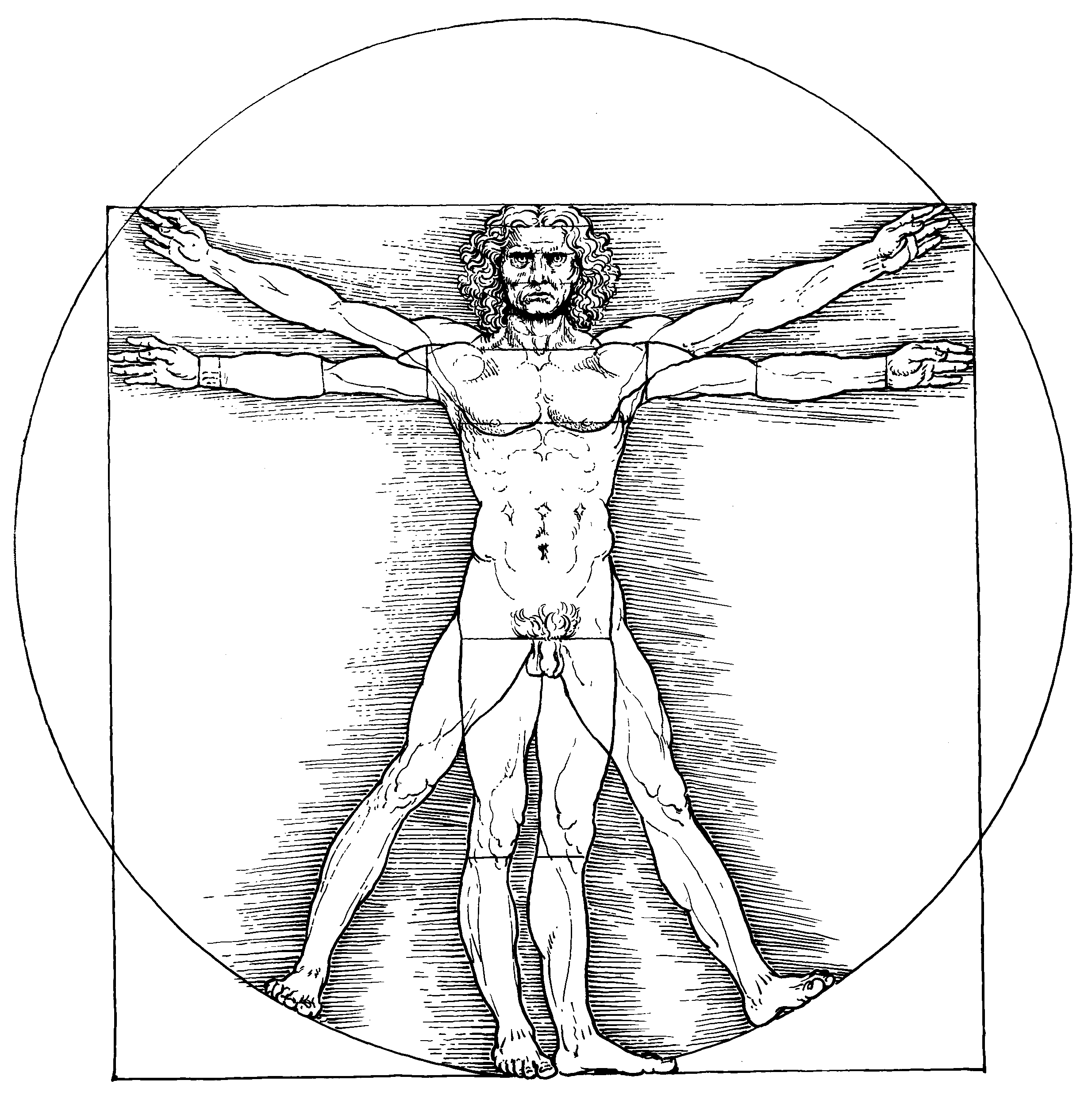
Select regions on the Vitruvian Man to track your journey.
Body Guide
"Art is never finished, only abandoned." — L. da Vinci
The Ancient Art of Ink
For over 5,000 years, humans have marked their skin with meaning—a tradition as old as civilization itself.
Ötzi the Iceman
The oldest tattooed human ever discovered bore 61 tattoos across his body—therapeutic marks placed over joints and along his spine. Even in prehistory, ink served both healing and identity.
Egyptian Priestesses
Female mummies discovered in Deir el-Medina revealed intricate dot patterns—sacred geometry believed to protect women during childbirth and connect them to the goddess Hathor.
Polynesian Voyagers
The word "tattoo" itself comes from the Samoan "tatau." Pacific islanders developed the most sophisticated tattooing traditions, with designs encoding genealogy, status, and spiritual protection.
Captain Cook's Journals
When European sailors encountered Tahitian tattooing, they brought the practice home. What began as sailor tradition evolved into the global art form we know today.
Why We Choose to Be Marked
Memory
We carry our stories on our skin—the people we've loved, the battles we've won, the moments that changed everything.
Identity
In a world of conformity, tattoos declare who we are. They transform the body into a canvas of personal truth.
Transformation
Each tattoo marks a threshold crossed. We emerge from the needle different than we entered—claimed by our own choices.
“The body is a temple, but only if you treat it as one. A tattoo is a prayer made permanent—a covenant between soul and skin.”
— Ancient Proverb, Reimagined